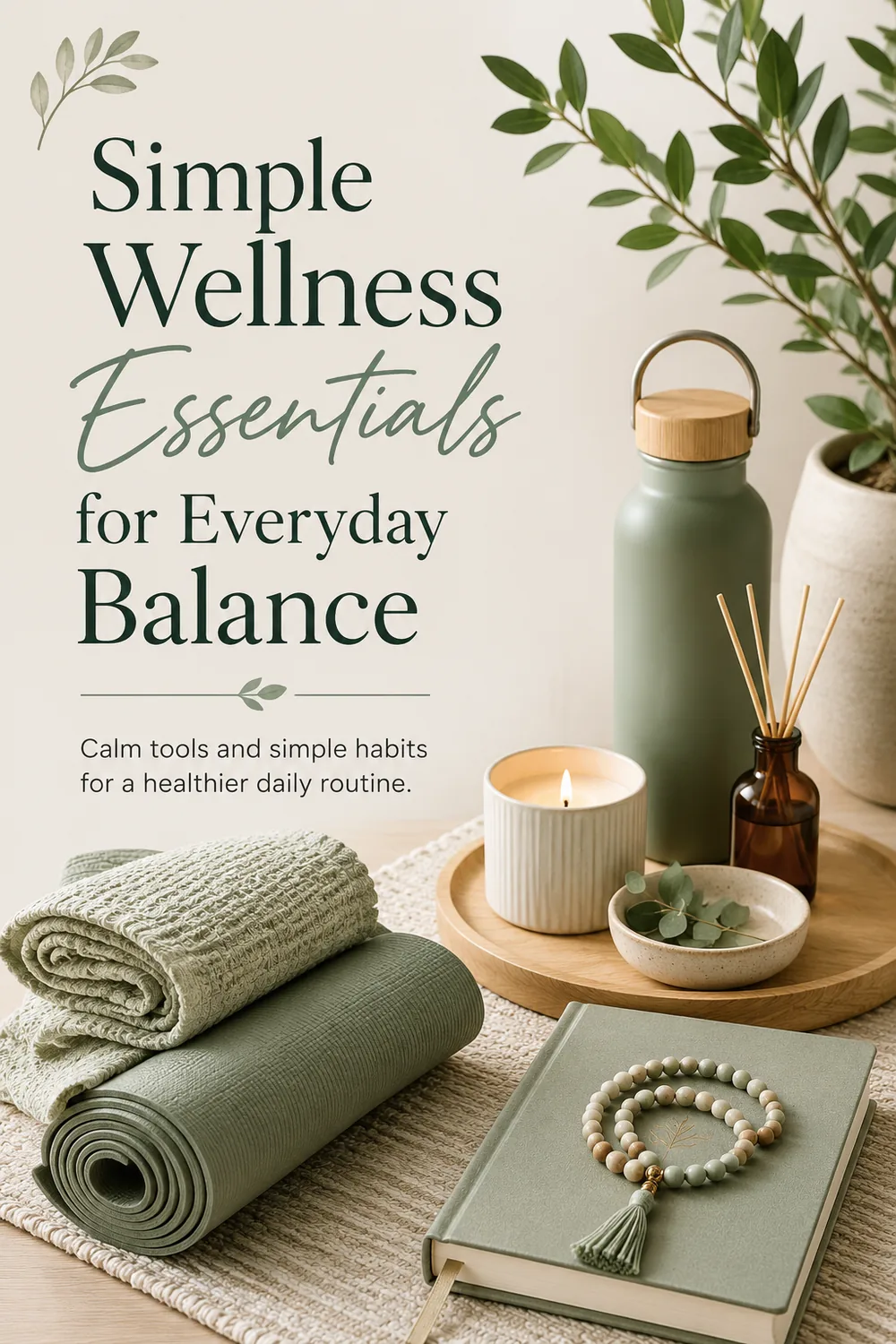
Everyday wellness is usually supported by small actions rather than dramatic changes. A few visible, easy-to-use essentials can act as reminders to hydrate, move, pause and prepare for rest. These tools should support habits, not create pressure.
Make hydration visible
Keep a reusable bottle in the place where you spend the most time. Refill it at predictable moments, such as after breakfast or before leaving home. Visibility reduces the need to remember from scratch.
Prepare a movement space
A clear area, comfortable mat or pair of supportive shoes can lower the barrier to gentle movement. The space does not need to be permanent; it only needs to be easy to set up.
Use a simple reflection tool
A notebook can support planning, gratitude or a brief end-of-day review. Keep the format simple: one priority, one helpful action and one observation may be enough.
Create a pause signal
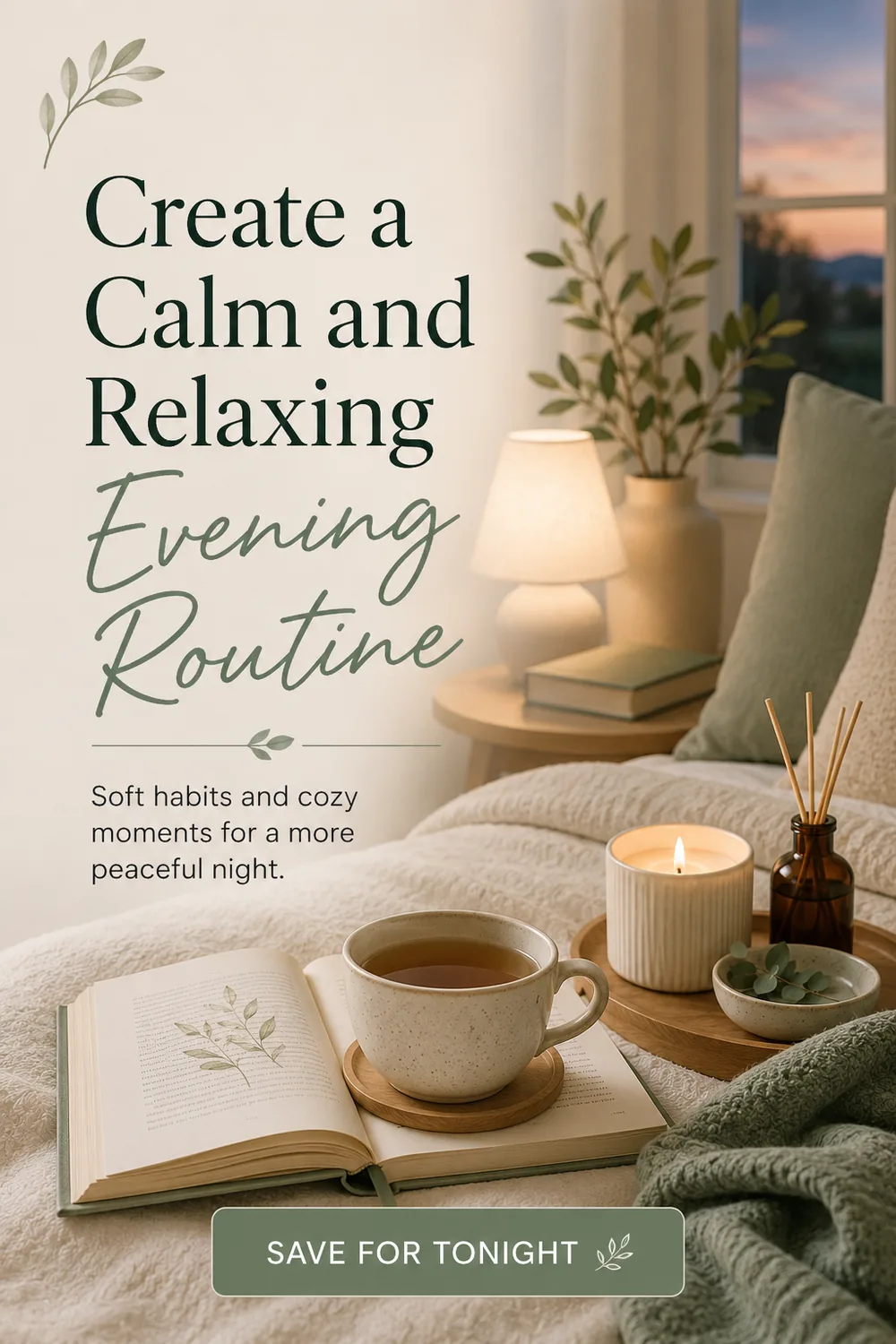
A quiet corner, candle, timer or cup of tea can mark a short break. The goal is not to force relaxation but to make a pause available before stress builds.
Avoid all-or-nothing thinking
Wellness routines change with energy, work and family demands. A five-minute walk, a glass of water or an earlier bedtime can still be meaningful. Sustainable routines allow flexible versions.
Quick checklist
- Keep water visible
- Prepare an easy movement option
- Use a simple notebook prompt
- Create a short pause signal
- Allow flexible versions of each habit
A thoughtful next step
Choose one idea that addresses a real need in your current routine. Test it before adding more products or systems. The most useful solution is the one that remains easy to use after the initial motivation has passed.