Good organization products should solve a specific problem, fit the available space and make an everyday action easier. The goal is not to collect organizers. The goal is to create a home where useful items are visible, accessible and easy to return.
Measure before choosing storage
Measure the width, depth and height of shelves, cabinets and drawers before selecting organizers. Leave room for handles, hinges and easy removal. A container that technically fits but is difficult to pull out will quickly become frustrating.
Choose containers by function
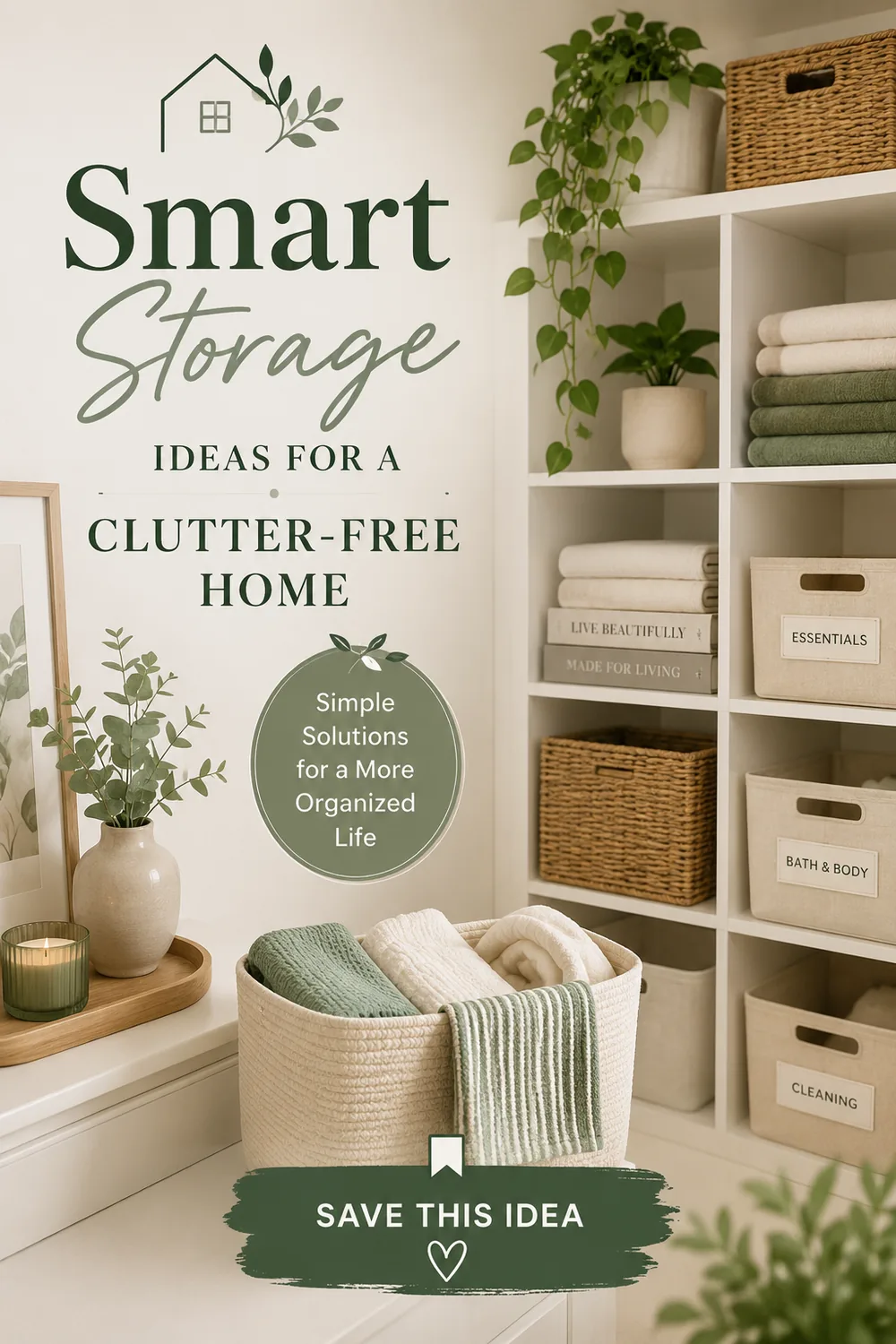
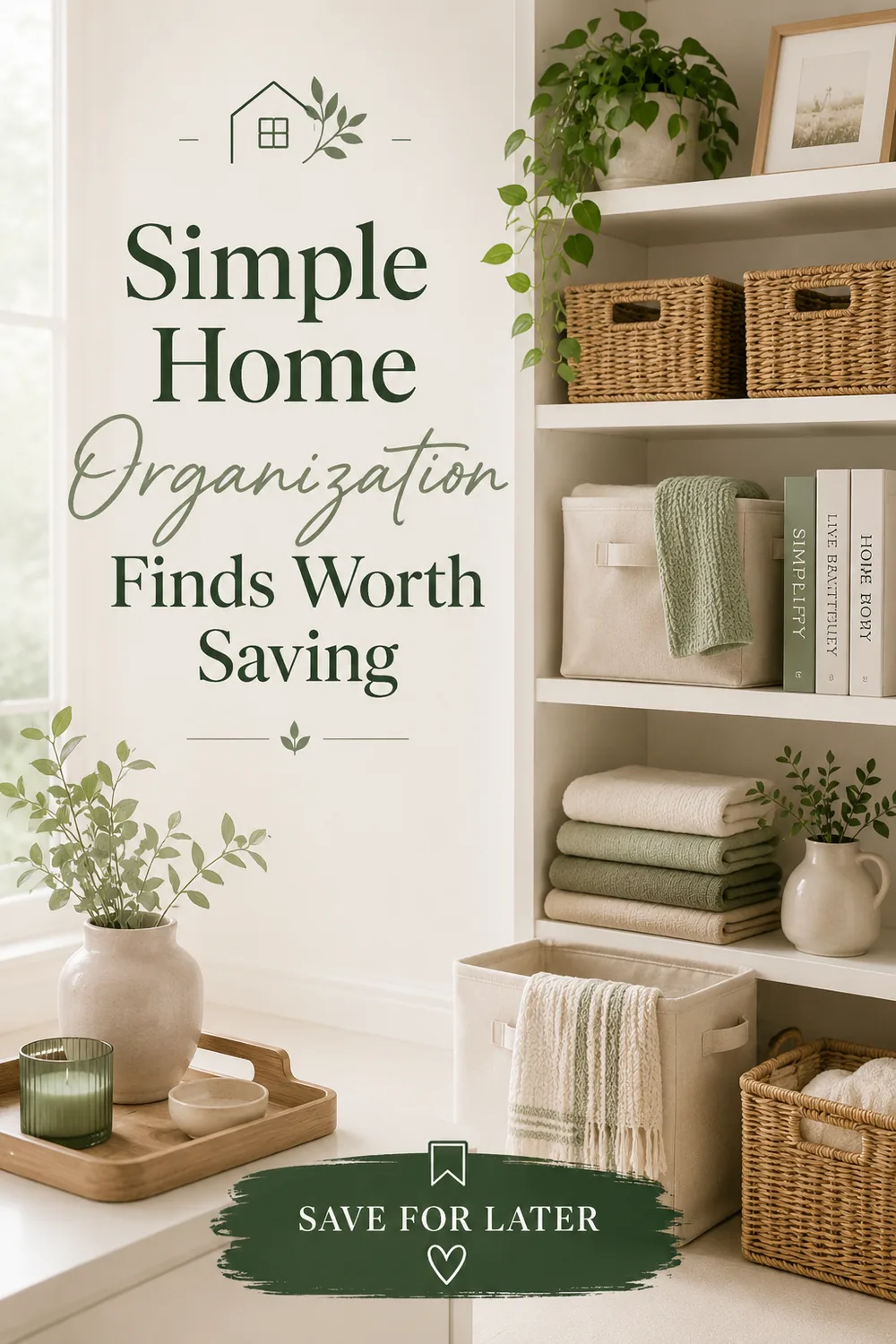
Woven baskets soften open shelving and work well for textiles. Clear bins make pantry or bathroom supplies easy to identify. Fabric cubes are useful for closets and family rooms. Trays contain small objects on counters and turn several items into one visual group.
Organize vertically
Vertical space is often underused. Shelf risers, stackable bins, wall hooks and door-mounted organizers can increase capacity without taking over floors or counters. Vertical storage is especially valuable in small kitchens, bathrooms and apartments.
Make everyday items easy to reach
Place the most frequently used items between waist and eye level. Reserve high shelves for lightweight backup supplies and lower areas for heavier items. When the easiest location matches the frequency of use, the room stays organized with less effort.
Edit before adding
Before purchasing anything, remove expired, damaged, duplicated or unused items. Organizing a smaller collection is less expensive and produces a better result. Keep only what supports the way the room is actually used.
Quick checklist
- Measure the exact storage area
- Match the container to the item
- Use vertical space
- Keep daily items within easy reach
- Declutter before purchasing organizers
A thoughtful next step
Choose one idea that addresses a real need in your current routine. Test it before adding more products or systems. The most useful solution is the one that remains easy to use after the initial motivation has passed.